ATTAR TYRES
MADE IN KAZAKHSTAN

Summer and winter tyres for passenger cars, SUVs, vans, light commercial vehicles, buses, and trucks

Tyre Catalog
Winter Tyres ATTAR W01
  • winter
  • Passenger
  • R14 - R17

Winter Tyres ATTAR W01

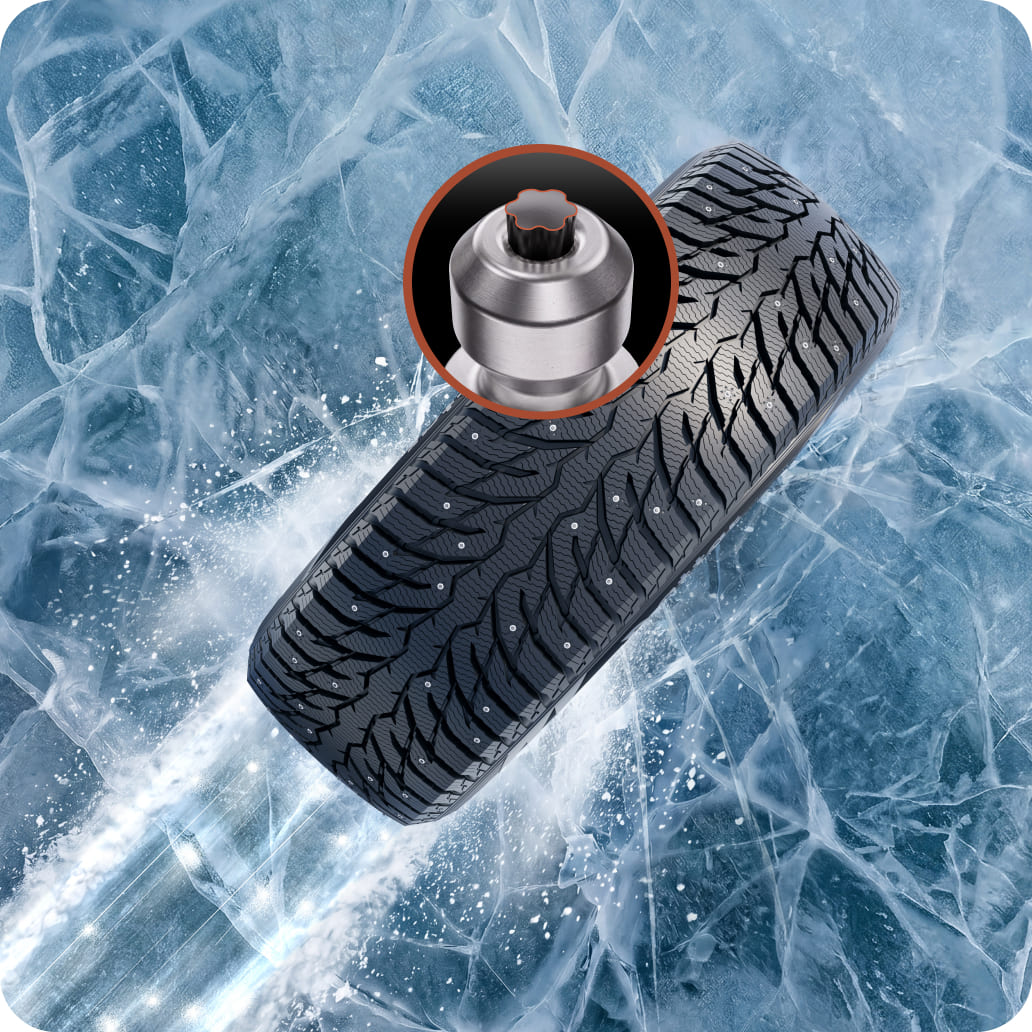
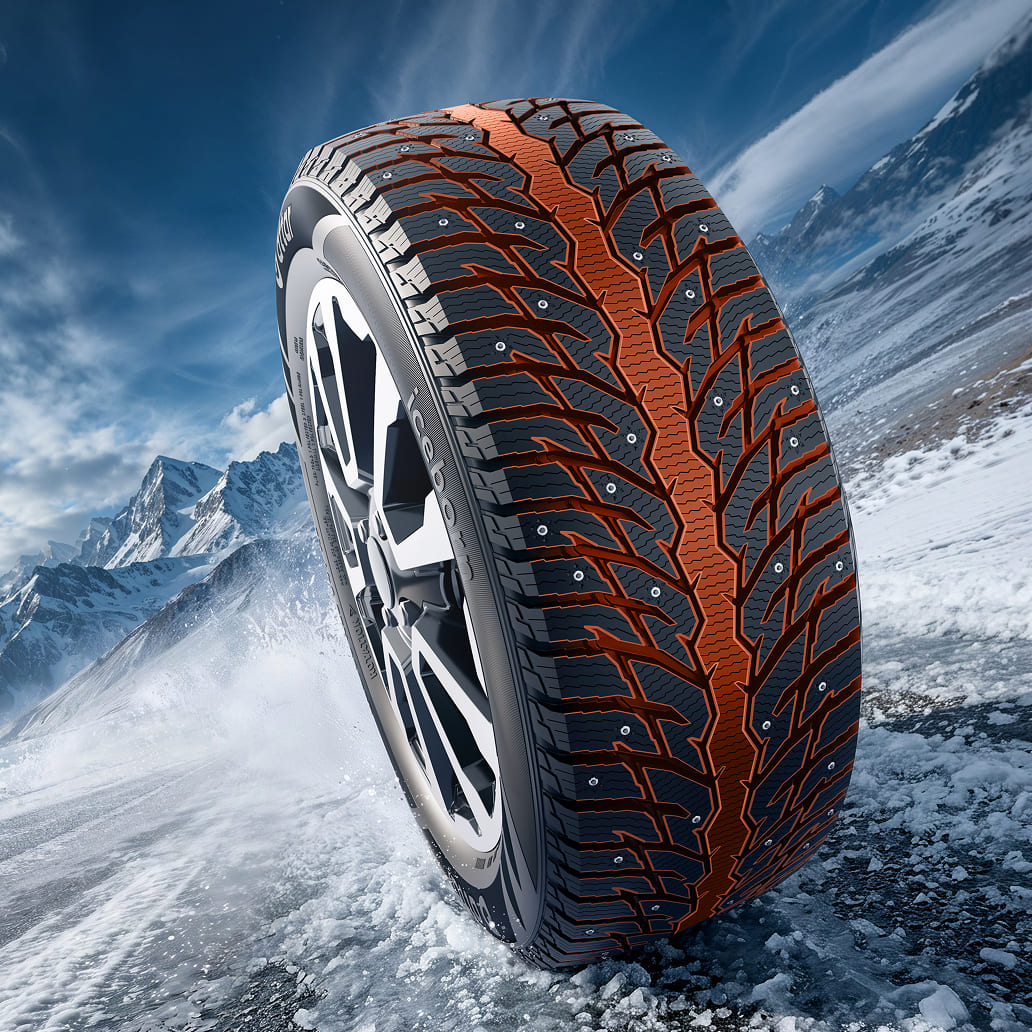
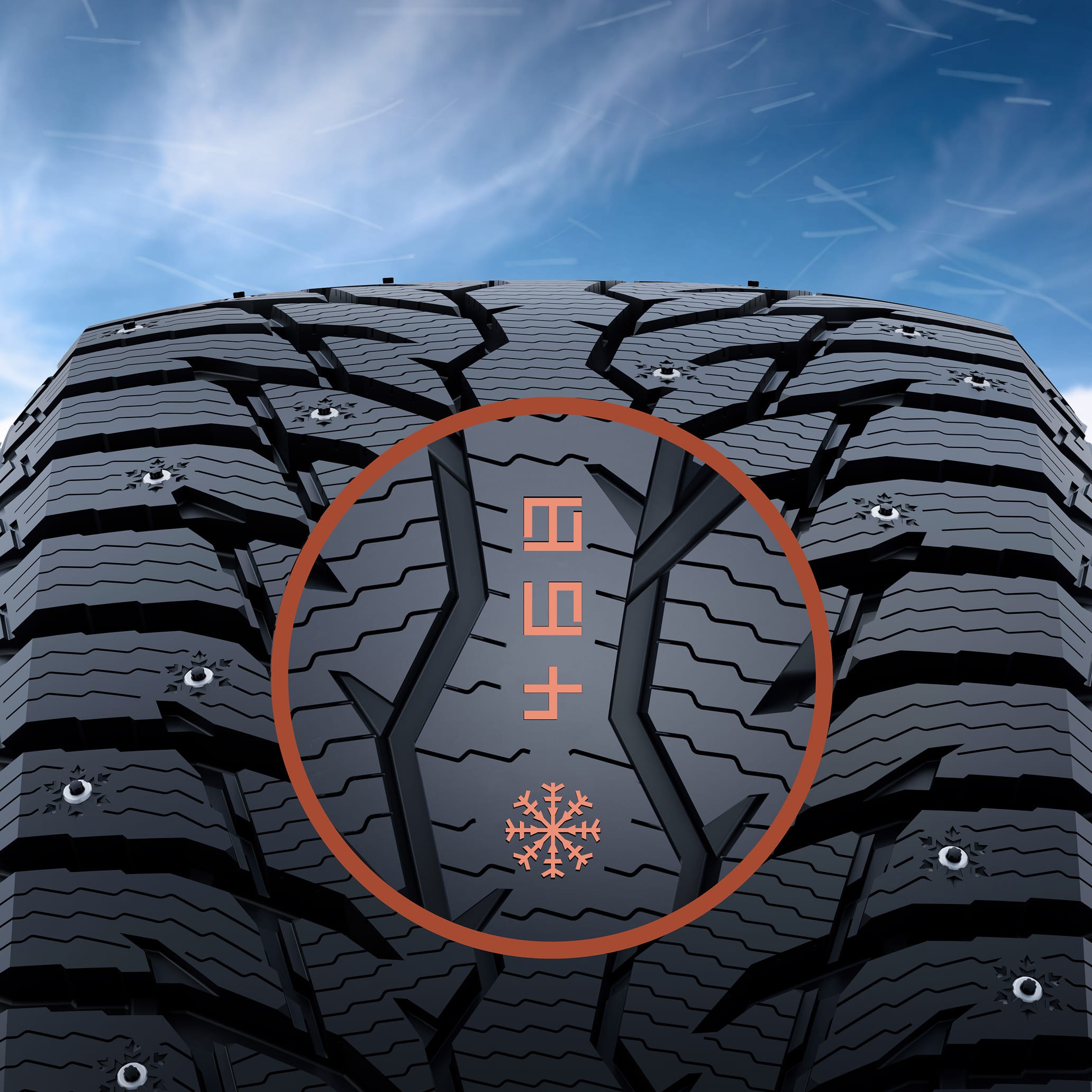
Attar W01 studded winter tyres are designed for passenger cars. The construction and special rubber compound ensure safe and confident driving in winter conditions, even on difficult roads.

Learn More

Advantages

  • Traction on wet and snowy surfaces

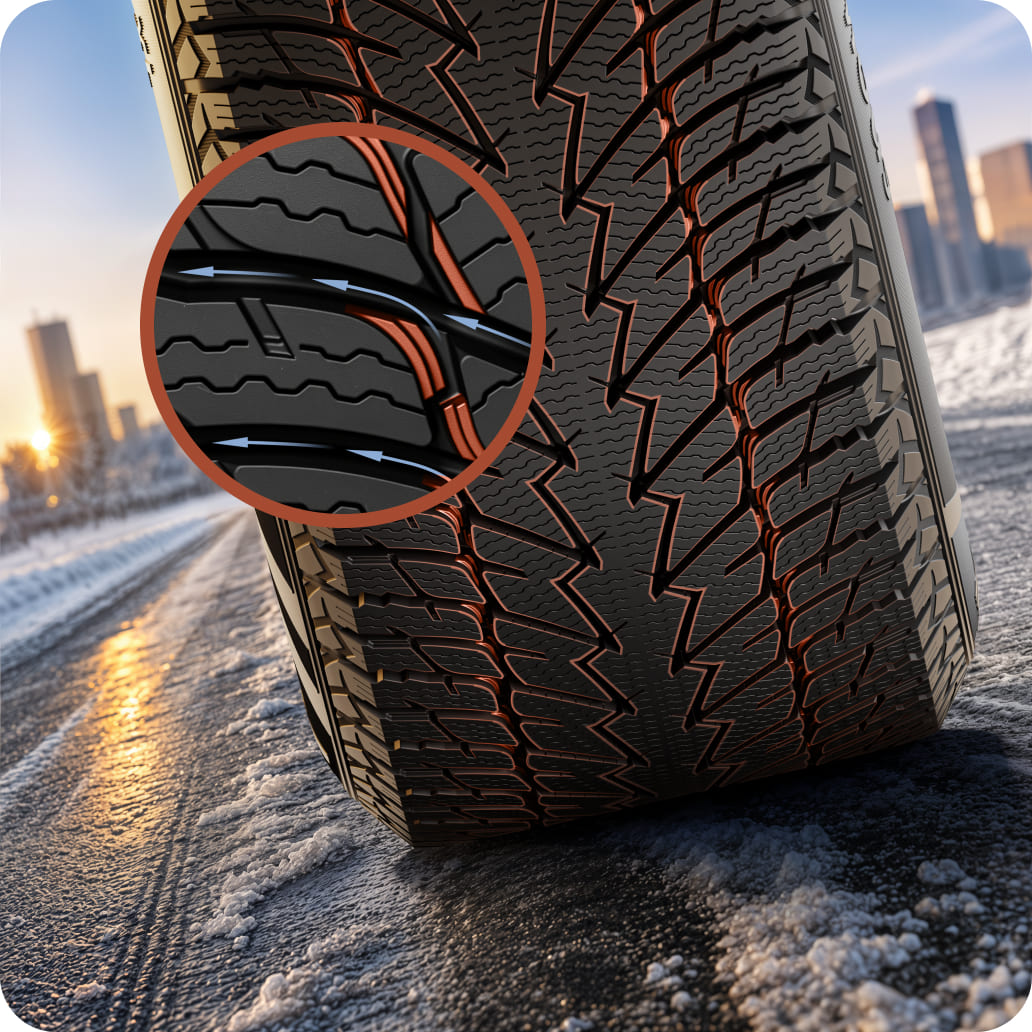
    Deep longitudinal and transverse drainage grooves effectively drain slush and water, preventing aquaplaning and ensuring traction on all types of snow‑covered surfaces.

  • Braking and grip on snow and ice

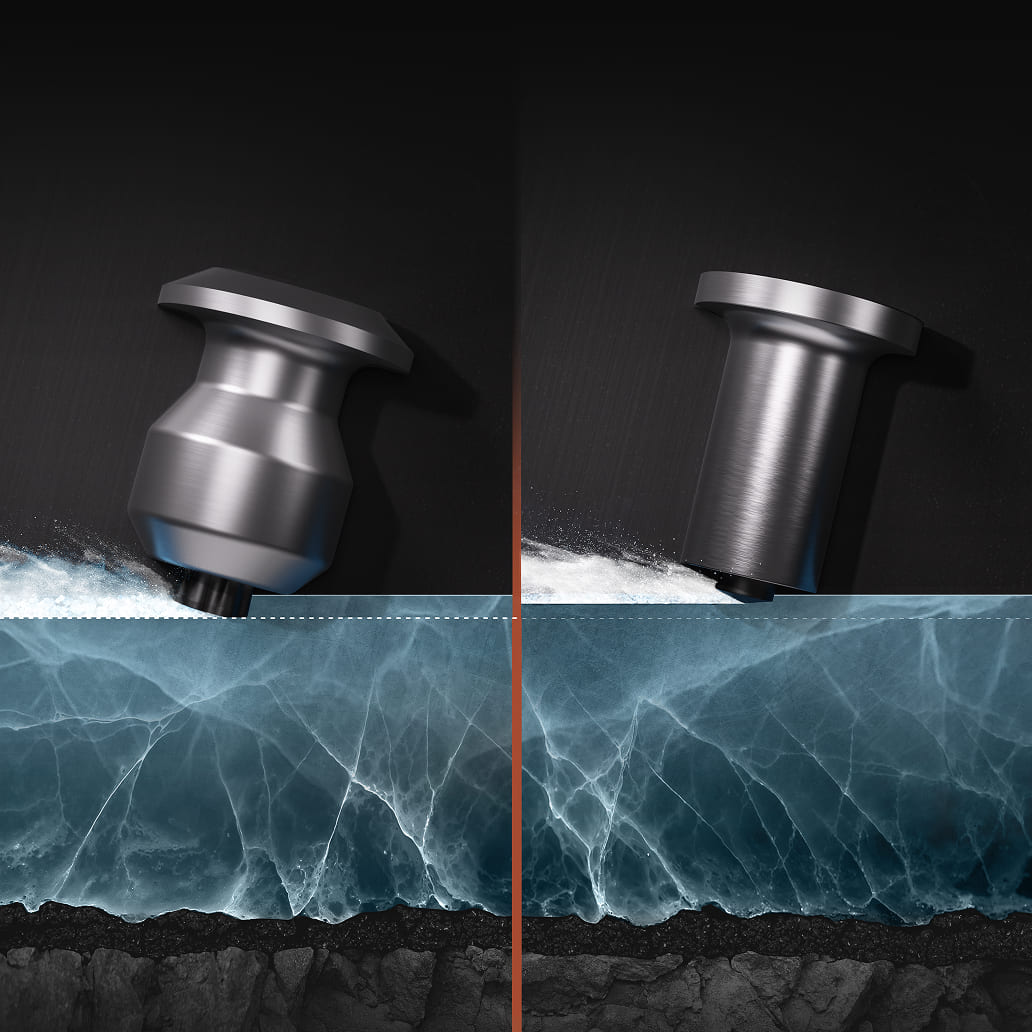
    Optimised stud placement in the contact patch provides maximum grip on packed snow and icy road sections. The classic placement in the shoulder zones contributes to low noise levels and long stud life.

  • Handling in harsh winter conditions

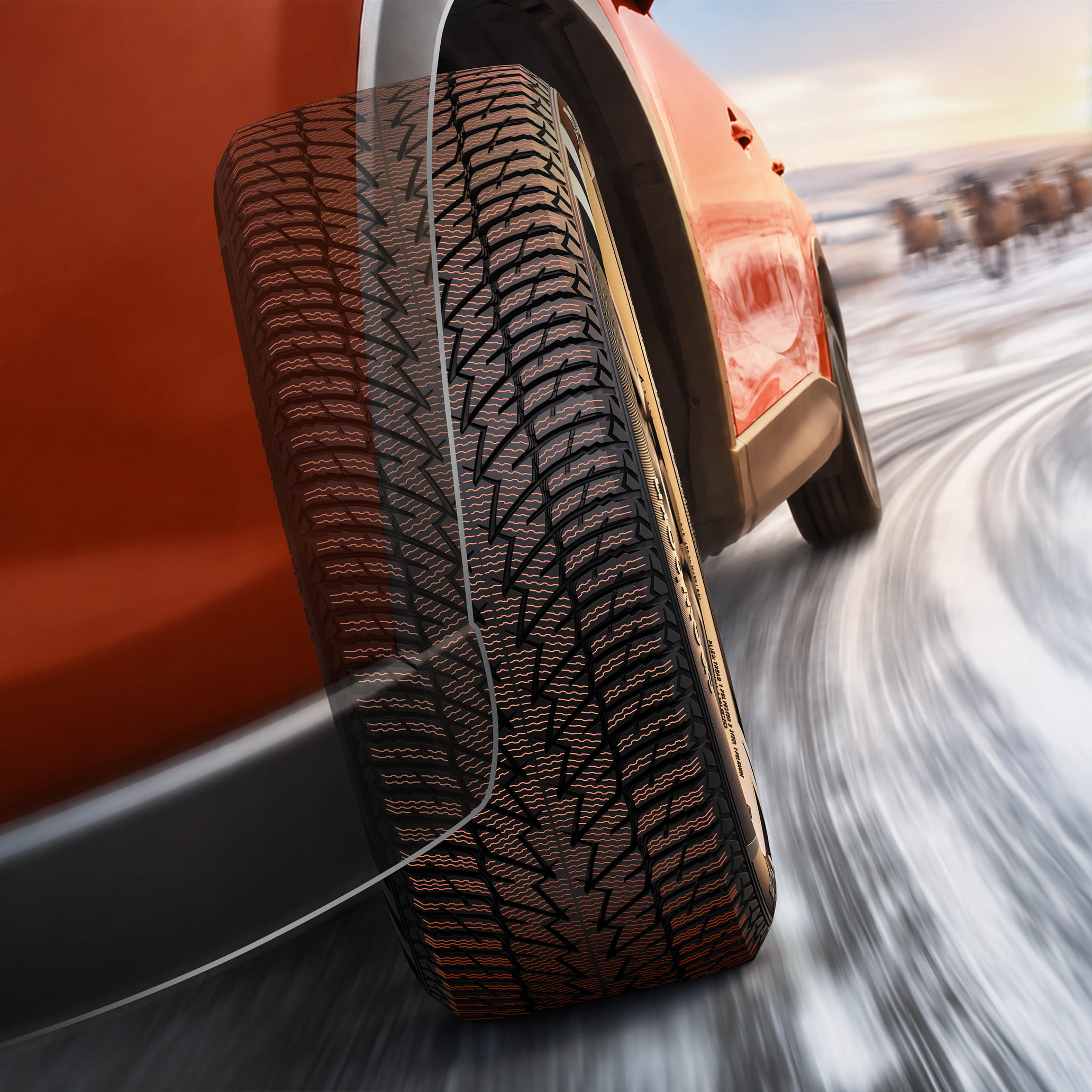
    The asymmetric tread pattern ensures handling and rapid, stable evacuation of water and slush from the contact patch, increasing reliability on wet and snow‑covered roads.

  • Effective braking on ice and wet asphalt

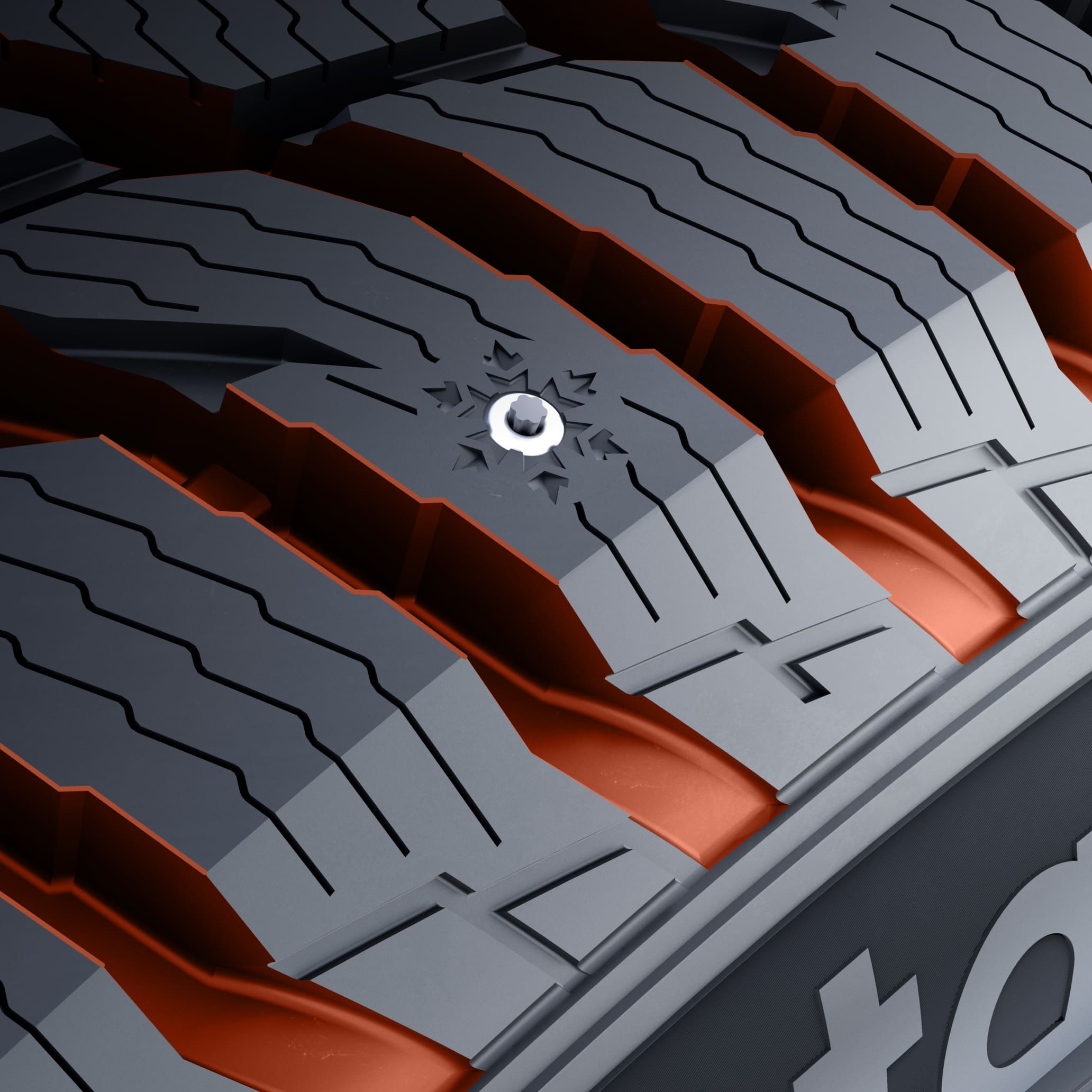
    Frequent zigzag sipes across the entire tread area increase the number of gripping edges, promoting excellent braking on ice while maintaining tread block stability.

Winter Tyres ATTAR W02
  • winter
  • SUV
  • R15 - R18

Winter Tyres ATTAR W02

Attar W02 studded winter tyres for SUVs and crossovers. The asymmetric tread reduces noise and increases wear resistance. Frequent sipes provide reliable grip on ice and wet roads, while the advanced drainage system protects against aquaplaning and improves handling.

Learn More

Advantages

  • Handling in harsh winter conditions

    The asymmetric directional pattern with wavy channels provides excellent grip on various winter surfaces – from packed snow to icy roads. The special geometry improves handling and stability during manoeuvres.

  • Grip and handling on ice

    Studs are evenly distributed across the key tread zones, ensuring effective grip on ice and reliable braking. The stud placement reduces noise and wear during use.

  • Effective braking on ice and asphalt

    Numerous zigzag sipes increase the number of gripping edges, contributing to excellent braking on slippery surfaces. This type of sipe works effectively on ice, enhancing braking performance while maintaining tread block stability.

  • Double carcass in all sizes of the model

    Ensures high handling of high‑centre‑of‑gravity SUV vehicles and reduces the sail effect when driving straight and cornering.

Select Tyres

Tyre Section Width

The first number in the marking, e.g. 255/70 R16, indicates a width of 255 mm. The section width refers to the distance between the outer sidewalls of an inflated tyre.

Aspect Ratio

The second number in the marking, e.g. 255/70 R16, indicates an aspect ratio of 70. This is the tyre's height expressed as a percentage of its width.

Diameter

The third number in the marking, e.g. 255/70 R16, indicates a rim diameter of 17 inches. This value must match the diameter of your wheel rim.

Шин, соответствующих выбранному автомобилю, не найдено

New Horizons in Tyre Manufacturing

Attar tyres represent highly automated production, innovative solutions, and a commitment to environmental and industrial safety. The quality of Attar tyres meets the best global practices in the tyre industry.

Tengri Tyres — the only tyre plant in Kazakhstan

The innovative plant in Saran has been producing Attar tyres since June 2024. The company uses advanced, automated equipment from leading tyre industry manufacturers in Europe, China, and Japan.

  • 200% Quality Control

    200% Quality Control

  • Full Production Cycle

    Full Production Cycle

  • Wide Range of Sizes

    Wide Range of Sizes

Frequently Asked Questions

  • How do I choose the right tyre size?

    Follow the tyre size recommended by your vehicle's manufacturer. It can be found in the service manual, on a plate inside the door frame, or on the fuel filler flap. When selecting tyres by specification, it's important to consider not only the diameter but also the width, aspect ratio, load index, and speed index.

  • How can I tell if my tyres are worn and need replacing?

    The main indicator is tread depth. The minimum allowed depth is 1.6 mm for summer tyres and 4 mm for winter tyres. You can measure it with a ruler, a coin, or the built-in tread wear indicators (TWI). It's also worth checking for cracks, bulges, and uneven wear. Uneven tread wear can point to issues with wheel balancing, suspension, or incorrect tyre pressure. Regular inspection extends tyre life and improves road safety.

  • How do I check tyre wear using the built-in tread wear indicator?

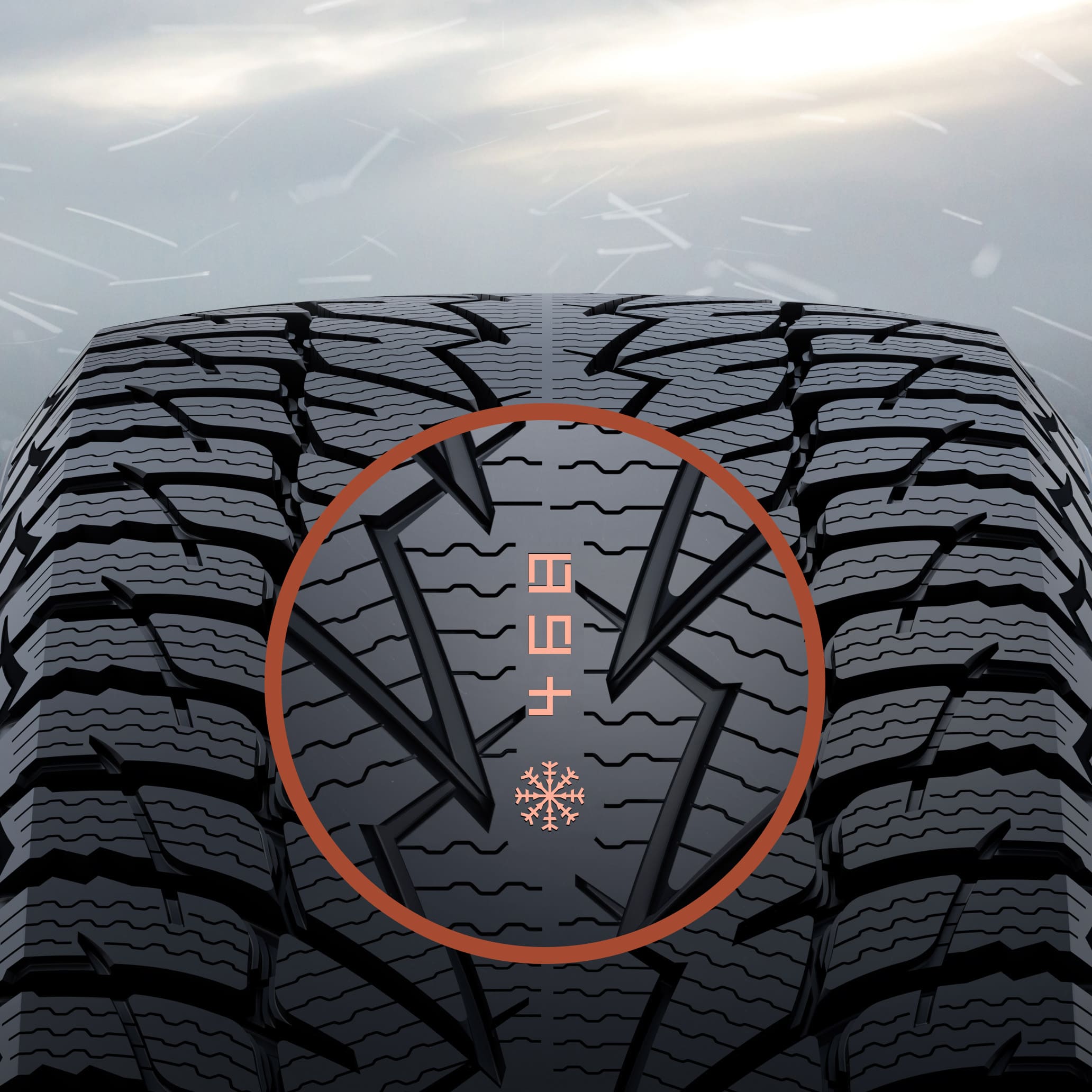
    Special markings on the tread let you monitor remaining tread depth, wear evenness, and overall tyre condition. As the tread depth decreases, the numbers (4, 6, 8) gradually wear away. When only the number 4 remains, the tread has reached a critical level of wear. On winter tyres, a snowflake icon serves as the winter wear indicator — once it wears away, using the tyres on snow or ice becomes unsafe. On summer tyres, a raindrop icon serves as the hydroplaning indicator — once it wears away, using the tyres on wet surfaces becomes unsafe.

  • How should I store tyres during the off-season?

    Store tyres in a dry, cool, and dark place, away from direct sunlight and heat sources. Tyres without rims should be stored upright, while tyres mounted on rims should be stored horizontally or hung up.

  • What do the numbers and letters on the tyre sidewall mean?

    The markings on the tyre sidewall contain key information about its parameters and characteristics.

    For example, the marking 205/55 R16 91V breaks down as follows:

    • 205 — tyre width in millimeters
    • 55 — aspect ratio (sidewall height as a % of width)
    • R — radial tyre construction
    • 16 — rim diameter in inches
    • 91 — load index (maximum weight per tyre)
    • V — speed index (maximum tyre speed; for V, up to 240 km/h)

    You may also find on the tyre:

    • DOT code — production date (e.g., 2426 means week 24 of 2026)
    • TWI — tread wear indicator

    These markings help you choose the right tyres and use them safely.

  • What is the load index and how do I determine it?

    The load index indicates the maximum load a single tyre can carry at the correct pressure. It's shown on the tyre sidewall as a number, for example 91 in the marking 205/55 R16 91V. The exact load value for each index should be checked against a reference table.

    For example:
    91 — approximately 615 kg per tyre.
    94 — approximately 670 kg.
    98 — approximately 750 kg.

    When choosing new tyres, it's important to select a load index no lower than the one recommended by your vehicle's manufacturer.